




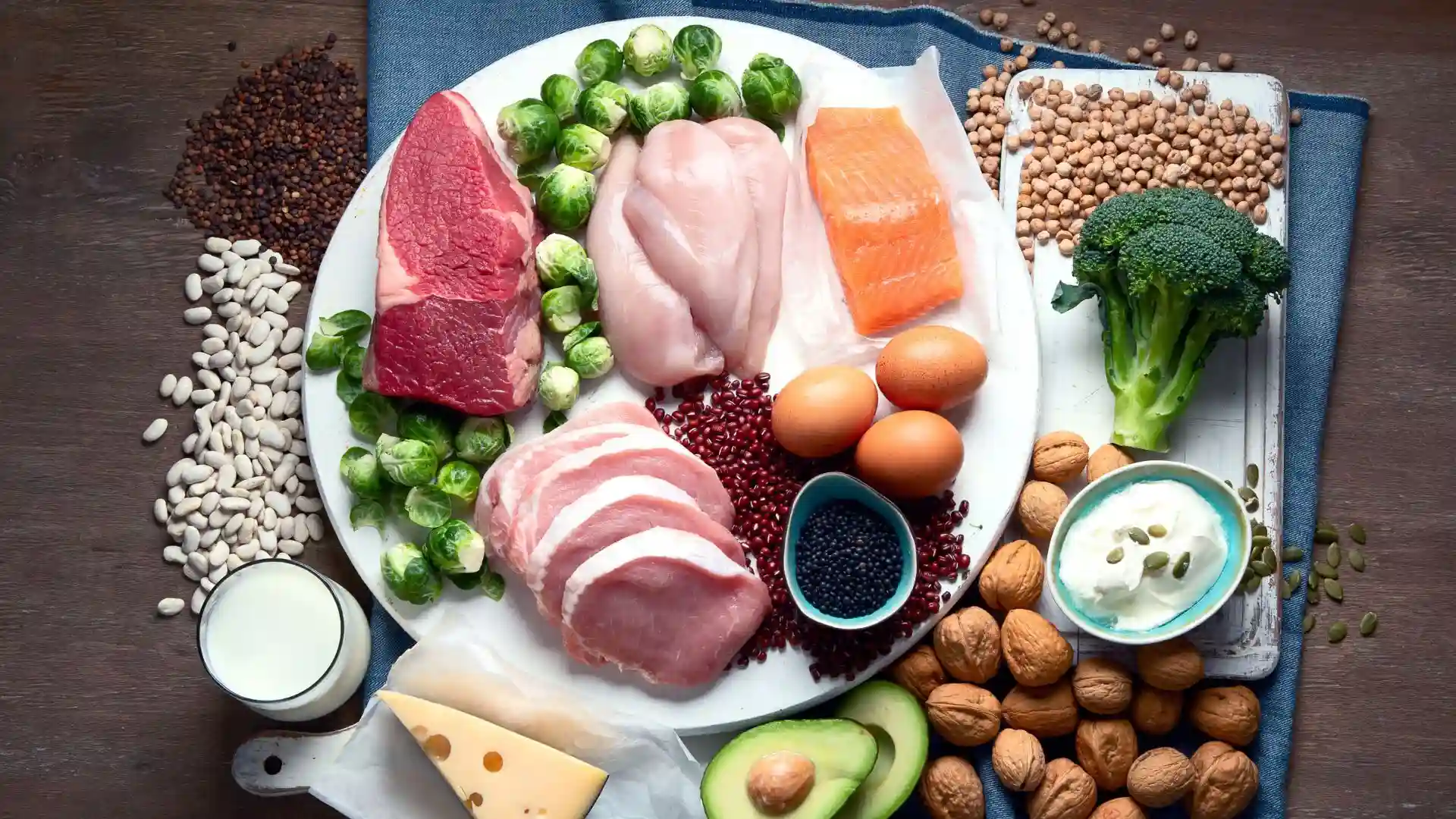
In simple terms, nutrition for healing means giving your body the raw materials it needs to rebuild damaged tissue while keeping inflammation under control. When you are injured, your body actually needs more energy, more protein, and a steady supply of specific nutrients than usual, even if you are moving less.
At CoreChiroRehab, injury support plans often pair hands-on treatment and rehab exercises with basic food guidance so patients do not accidentally slow healing with poor intake. In our experience, even small changes—like adding one extra protein-rich snack and more colorful vegetables—can make a clear difference in energy, pain, and recovery speed.
Why Food Matters for Recovery After Injury
Recovery after injury is not just about rest and therapy sessions; what you eat can either speed up or delay healing. Your body uses extra calories and nutrients to rebuild muscle fibers, repair connective tissue, fight infection, and close wounds. This is exactly why injury recovery cannot be separated from what is on your plate—the two move together, not one after the other.
If you under-eat or skip important nutrients, your body may break down muscle for fuel, delay tissue repair, and increase fatigue. In our experience, people who keep their meals balanced—rather than suddenly "dieting" because they are less active—often return to activity faster and feel stronger when it's time to resume rehab and training. If your injury happened during sport or training specifically, our guide to sports injury rehabilitation in Southfield, MI walks through the rehab timeline that pairs well with the nutrition basics below.
Building a Solid Recovery Food Foundation
Think of recovery food as a simple daily structure: quality protein at every meal, smart carbohydrates for energy, healthy fats for hormones and healing, and plenty of fluids. This does not mean complicated recipes; it can be as simple as eggs and whole grain toast at breakfast, lentils and rice at lunch, and fish with vegetables at dinner.
Practical examples include yogurt with fruit and nuts, paneer or tofu with vegetables, chicken or chickpeas with rice, and mixed nuts as a snack. Patients often find that planning 2–3 basic meal "templates" they can repeat during the week reduces stress and keeps their nutrition consistent while they focus on healing.
Protein for Healing and Muscle Repair
Protein for healing is essential because it provides the building blocks your body uses to repair muscle, skin, tendons, and ligaments. Many guidelines suggest aiming for protein at every meal, spreading intake across the day rather than relying on one big serving at night.
Good options include eggs, dairy, lean chicken or fish, lentils, beans, tofu, and nuts. In our experience at CoreChiroRehab, people who add one extra protein-rich snack—such as yogurt and fruit or a handful of nuts with boiled eggs—often feel less tired and notice better progress with rehab exercises.
High Protein Diet for Wound Healing
A high protein diet for wound healing does not mean extreme or unbalanced eating; it means slightly raising daily protein while still including fruits, vegetables, and whole grains. Wounds and surgical sites need extra protein to rebuild tissue and protect against infection, so protein needs can be higher than usual for a period of time.
Simple strategies include adding milk or curd to meals, choosing dal or beans alongside rice or roti, and including a protein source in snacks. For some patients, dietitians may recommend medical nutrition drinks if solid food intake is low, especially after major surgery.
Example Anti Inflammatory Diet Meal Plan (Simple Outline)
An anti-inflammatory diet meal plan focuses on whole, minimally processed foods, lots of colorful fruits and vegetables, healthy fats, and fewer sugary or highly processed items. The goal is not to remove all inflammation—some is needed for healing—but to prevent chronic, excessive inflammation that slows recovery.
A simple day might look like:
- Breakfast: Oatmeal with nuts, seeds, and fresh fruit
- Lunch: Brown rice or millets with dal, vegetables, and curd
- Snack: Fruit with handful of nuts or seeds
- Dinner: Grilled fish or tofu with mixed vegetables and a small portion of whole grains
In our experience, people who follow this kind of pattern most days feel more energetic and report less bloating and "heaviness."
Common Nutrition Mistakes During Injury Recovery
A frequent mistake is eating less because activity is reduced, without realizing that healing actually increases nutrient needs. This can slow tissue repair and cause unwanted muscle loss, which then makes rehab harder.
Another common error is relying heavily on processed snacks, sugary drinks, and fast food for convenience. These choices can drive extra inflammation, disturb blood sugar, and leave less room for nutrient-dense foods. In our experience, small swaps—like replacing sugary drinks with water and choosing a fruit-and-nuts snack instead of chips—can make a noticeable difference over a few weeks.
FAQ: Injury Recovery Nutrition
1. What should I eat first when I get injured?
Start by making sure each meal includes a source of protein, some whole grains or starchy foods, and at least one fruit or vegetable. This gives your body energy plus the building blocks for repair. Adding simple options like eggs, dal, yogurt, and seasonal fruits to your regular meals can quickly improve your nutrition without a full diet overhaul.
2. How much protein do I need while healing?
Most people need more protein during healing than in daily life, often spread across all meals rather than taken in one large portion. A healthcare provider or dietitian can give a specific target based on your weight and type of injury. As a practical rule, including protein in breakfast, lunch, dinner, and at least one snack is a strong starting point.
3. Are supplements necessary for recovery?
Supplements are not always necessary, but they can help when someone struggles to eat enough through regular food. Protein powders, oral nutrition drinks, or specific vitamins and minerals may be suggested by a clinician or dietitian in cases of poor appetite, major surgery, or chronic illness. It is best not to self-prescribe high doses and instead discuss options with your healthcare team.
4. Which foods should I avoid while healing?
It helps to limit foods high in added sugar, deep-fried items, heavily processed snacks, and excessive alcohol. These choices can increase inflammation, disturb blood sugar, and reduce appetite for more nutritious foods. Instead, focusing on home-cooked meals, fruits, vegetables, and simple recipes gives your body a better environment for repair.
5. How important is staying hydrated?
Hydration is very important because fluids support blood flow, nutrient delivery, and waste removal around healing tissues. Many guidelines suggest sipping water throughout the day and including other fluids like milk, soups, or diluted juices as needed, unless your doctor advises a restriction. People often notice fewer headaches and better energy when they keep a water bottle nearby and drink consistently.
6. Can a good diet reduce my pain?
A balanced, anti-inflammatory style of eating cannot replace medical treatment, but it can support lower background inflammation and better tissue health, which may indirectly ease pain. When combined with proper rehab and guidance from your clinician, many people report steadier energy, fewer flare-ups, and smoother progress over time.
7. Is it okay to try to lose weight while healing?
Actively trying to lose weight with a strict diet during healing can be risky because your body needs extra nutrients to repair tissue. If weight loss is important for long-term health, it is usually safer to focus first on healing and strength, then work on gradual weight changes later with guidance from a healthcare provider. Maintaining current weight with balanced meals is often a better short-term goal.
8. How long should I follow a "healing-focused" diet?
You can think of a healing-focused diet as a stronger version of generally healthy eating, followed more strictly during the early weeks or months after an injury or surgery. As pain reduces and function improves, many people slowly transition back to their regular pattern while keeping some of the helpful habits they built. In our experience, those who keep at least a few positive changes—like daily fruits, regular protein, and fewer sugary drinks—feel better even after recovery.
Work with CoreChiroRehab on a Complete Healing Plan
If you are dealing with an injury and feel unsure about how your food choices affect healing, the team at CoreChiroRehab can combine movement assessment, hands-on care, and simple nutrition guidance tailored to your routine. Our nutritional counseling services in Southfield, MI are built specifically to support this kind of complete injury recovery plan alongside your regular rehab visits. In our experience, patients who align their meals, rehab exercises, and daily habits have the best chance of returning to work, sport, and daily life with confidence and lower risk of re-injury.
Resources & Further Reading
- NIH — guide on eating well for wound healing
- PMC / NCBI — scientific article on rehabilitation nutrition for injured athletes
- University of Colorado School of Medicine — sports medicine handout on nutrition for healing