




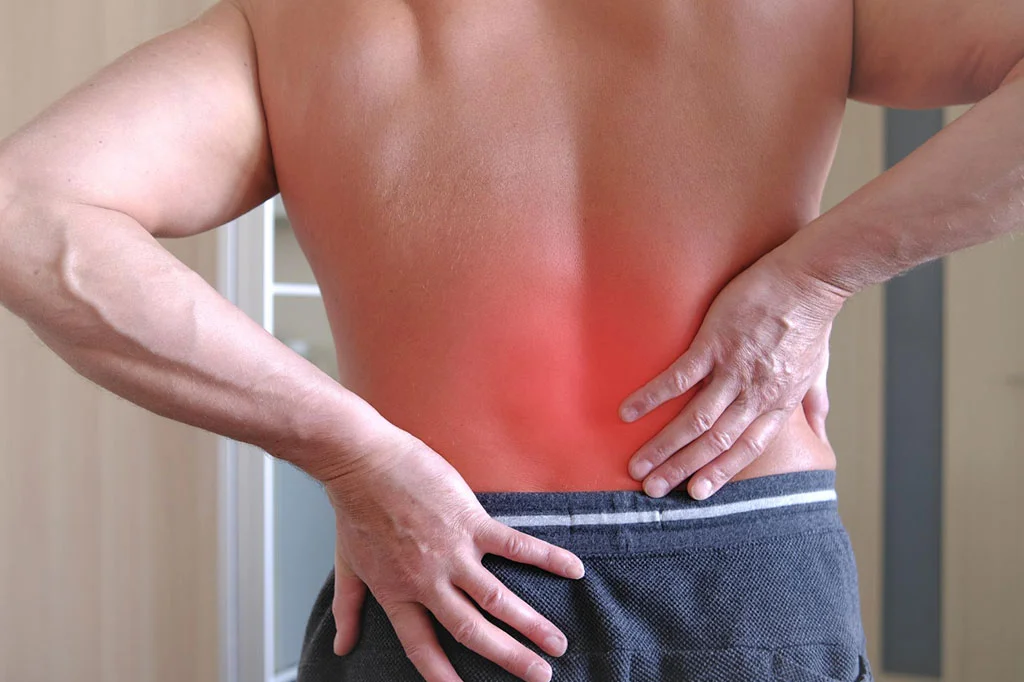
If you have ever felt a dull ache, stiffness, or a sharp twinge on the lower left side of your back, you are not alone. Back Pain Lower Left Side can develop after prolonged sitting, heavy lifting, repetitive movement, exercise, or sometimes without an obvious trigger.
The lower back contains the lumbar vertebrae, muscles, ligaments, discs, nerves, and sacroiliac joints. Because several structures are located in this region, lower left back pain can have more than one possible cause.
Common musculoskeletal causes include muscle strain, irritation around the sacroiliac joint, and disc-related conditions. According to MedlinePlus, acute lower back pain may also be associated with muscle or ligament injury, herniated discs, sciatica, spinal stenosis, SI joint problems, and, less commonly, medical conditions involving structures such as the kidneys. MedlinePlus guidance on acute lower back pain MedlinePlus
Understanding when the pain occurs, what movements make it worse, and whether symptoms travel into the leg can help determine what may be contributing to the problem.
What Causes Back Pain on the Lower Left Side?
One of the most common causes of left side lower back pain is irritation or strain involving the muscles and ligaments that support the lumbar spine. Sudden lifting, twisting, repetitive activity, or prolonged poor positioning can place extra stress on these tissues.
The sacroiliac, or SI, joint may also contribute to one-sided discomfort. This joint connects the pelvis to the lower part of the spine, and irritation in the area may be felt around the lower back, buttock, or hip.
Disc problems can also be involved. A bulging or herniated disc may irritate a nearby nerve root, particularly when symptoms include pain traveling into the buttock or leg, tingling, numbness, or weakness.
If your symptoms seem nerve-related, our guide to pinched nerve symptoms and warning signs explains how nerve compression or irritation in the lower back may affect the legs and feet.
Not every case of pain on the left side originates from the spine. Kidney problems and certain abdominal or pelvic conditions can sometimes cause referred discomfort in the back, which is why persistent or unusual symptoms deserve appropriate evaluation.
Why Does Lower Back Pain Get Worse at Night or After Sitting?
Lower back pain after sitting can develop when the spine remains in one position for an extended period. Prolonged sitting can increase stiffness and may aggravate already-sensitive muscles, joints, discs, or nerves.
People who spend long hours at a desk or driving may also experience tightness around the hips and reduced movement through the lower back. Regular position changes, comfortable movement, and appropriate strengthening may help reduce repeated strain.
Lower back pain at night can occur for several reasons. Sleep position, mattress support, muscle stiffness, inflammation, and certain spinal conditions can all affect nighttime comfort.
Pain that is consistently severe at night or does not improve when changing positions should not automatically be assumed to be mechanical back pain. Mayo Clinic recommends medical evaluation when back pain is constant or intense at night, spreads down a leg, causes numbness or weakness, or occurs with other concerning symptoms. Mayo Clinic guidance on back pain warning signs Mayo Clinic
Can Nerve Compression Cause Left-Sided Lower Back Pain?
Yes. A nerve root in the lower spine can become irritated or compressed by conditions such as a herniated disc, narrowing around the nerve, or inflammation in nearby tissues.
When nerve irritation is involved, the discomfort may not stay in the lower back. Symptoms can extend into the buttock, thigh, calf, or foot and may include burning, tingling, numbness, or weakness.
The pattern and location of these symptoms can provide useful information during an examination. Pain that remains localized to the lower back may have a different cause than pain that consistently travels down one leg.
How Long Do Back Spasms Last?
Back spasms can occur when muscles tighten suddenly in response to strain, overuse, irritation, or protective guarding around a painful area.
A mild spasm associated with a simple muscle strain may settle over several days, although recovery varies depending on the underlying cause and activity level.
Recurring spasms, persistent pain, or spasms accompanied by numbness, tingling, weakness, or pain traveling down the leg should be evaluated rather than repeatedly treated as a simple muscle problem.
Gentle movement is generally preferred over prolonged bed rest for uncomplicated lower back pain. MedlinePlus notes that extended inactivity is usually not recommended when serious warning signs are absent. MedlinePlus
What Are the Treatment Options for Lower Left Back Pain?
Treatment for Back Pain Lower Left Side should depend on what is causing the symptoms rather than using the same approach for every patient.
Chiropractic Care
For selected musculoskeletal conditions, chiropractic care may focus on restricted joint movement, spinal mechanics, and mobility. At Core Chiro Rehab, chiropractic care in Southfield, MI may be incorporated into an individualized plan after evaluating the patient's symptoms and movement limitations.
Physiotherapy and Exercise
Rehabilitation can help improve strength, mobility, endurance, and movement control. Exercises may focus on the core, hips, and lumbar stabilizing muscles depending on the patient's condition.
For patients who need guided rehabilitation, physiotherapy in Southfield, MI can include targeted exercise, movement assessment, and progressive strengthening based on individual needs.
Spinal Decompression
When disc-related symptoms and nerve irritation are present, traction-based approaches may be considered for appropriate patients as part of a broader conservative care plan.
At Core Chiro Rehab, spinal decompression near Southfield, MI may be used for selected disc-related or nerve-related conditions following an appropriate clinical assessment.
Soft Tissue and Movement-Based Care
Muscle tension and restricted soft tissues can sometimes contribute to persistent discomfort. Manual techniques, mobility work, movement retraining, and gradual strengthening may be used alongside other treatment approaches.
The important step is determining which structures may be contributing to the pain before deciding on treatment.
What Can You Do at Home?
For uncomplicated lower back pain, staying gently active is often preferable to prolonged inactivity.
Depending on the cause and severity of your symptoms, helpful strategies may include:
- Taking short walks as tolerated
- Avoiding repeated movements that clearly aggravate symptoms
- Changing sitting positions regularly
- Gradually returning to normal activity
- Using heat or cold when appropriate
- Following exercises recommended for your specific condition
Avoid pushing through increasing numbness, weakness, or severe radiating pain.
When Should You See a Professional About Left Lower Back Pain?
Most episodes of mechanical back pain improve over time, but some symptoms need prompt evaluation.
Seek medical attention if the pain:
- Follows a significant fall, accident, or injury
- Is severe and continues to worsen
- Is associated with fever
- Causes new bowel or bladder problems
- Produces progressive leg weakness
- Causes numbness around the groin or inner thighs
- Is accompanied by unexplained weight loss
- Consistently spreads below the knee
You should also consider an evaluation if lower back pain on the left side continues for several weeks, repeatedly returns, or significantly interferes with sleep, work, walking, or everyday activities.
Lower Back Pain Treatment in Southfield, MI
At Core Chiro Rehab in Southfield, MI, care begins by evaluating how your symptoms started, what movements aggravate them, whether nerve symptoms are present, and how the pain affects normal activities.
Depending on the findings, a personalized plan may involve chiropractic care, physiotherapy, spinal decompression, soft tissue techniques, movement education, and home exercises.
The goal is not simply to temporarily reduce discomfort. A well-designed plan should also help improve mobility, strength, function, and confidence with everyday movement.
If Back Pain Lower Left Side is affecting your sleep, work, exercise, or daily activities, an assessment can help determine the likely source of your symptoms and which treatment options may be appropriate.
Book your consultation at Core Chiro Rehab in Southfield, MI.